
Common Challenges in Modular Kitchen Installation India
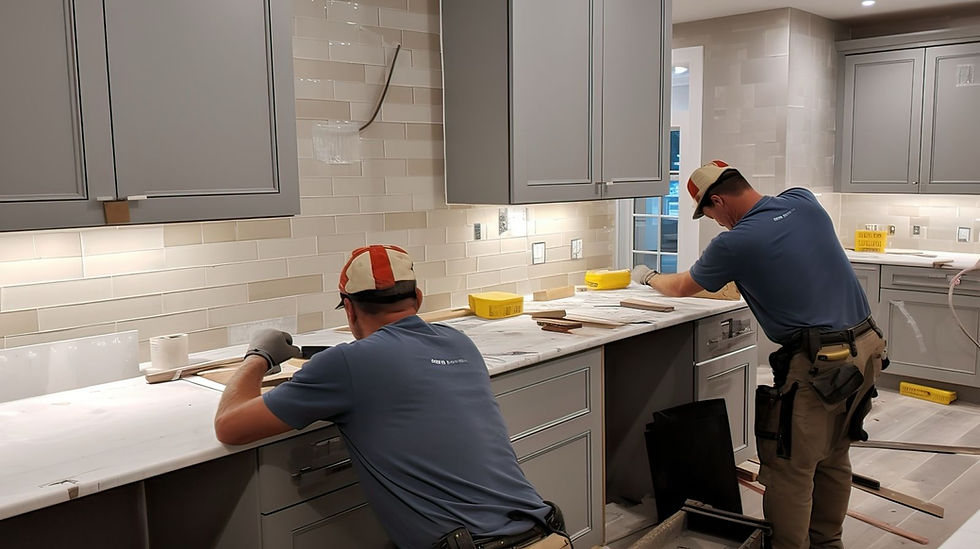
“A modular kitchen is only as good as its installation.”
This is something many architects and interior designers across Bangalore have experienced during project execution. A kitchen may look perfect in drawings and factory samples, but poor installation can quickly affect functionality, finish quality, and overall user experience. This is why understanding the common issues in modular kitchen installation India has become increasingly important for design professionals and developers.
With modern kitchens becoming more detail-oriented and space-efficient, execution quality now matters just as much as design.
Why Modular Kitchen Installation India Often Faces Delays
One of the biggest challenges in modular kitchen installation India is poor coordination between multiple teams. Kitchen projects usually involve carpenters, electricians, plumbers, countertop vendors, appliance suppliers, and installation teams working simultaneously.
When these teams are not aligned properly, projects often face:
Delayed installation schedules
Incorrect measurements
Site readiness issues
Appliance fitting problems
Last-minute design adjustments
These delays not only affect timelines but also create unnecessary pressure for architects and interior designers managing the project.
Inconsistent Workmanship Affects Final Quality
Another common problem in modular kitchen installation India is inconsistent execution quality. Even premium materials can appear poorly finished when installation lacks precision.
Common execution issues include:
Uneven cabinet alignment
Improper edge gaps
Poor hardware fitting
Surface damage during installation
Misaligned shutters and drawers
Small detailing mistakes can significantly affect the overall appearance and functionality of a modular kitchen.
This is why many professionals now prefer factory-led execution systems where manufacturing accuracy and installation quality are managed together.
Why Factory-Led Production Reduces Installation Problems
Traditional site-heavy execution often depends on manual adjustments during installation. This increases the chances of measurement errors and finish inconsistencies.
Factory-led production improves outcomes because much of the precision work is completed before materials reach the site.
This helps improve:
Measurement accuracy
Finish consistency
Hardware placement
Production planning
Installation speed
At InchTape, much of the kitchen manufacturing process happens within a controlled setup before on-site installation begins. This structured approach helps reduce common execution challenges in modular kitchen installation India.
Site Coordination Is Often the Biggest Challenge
Many modular kitchen delays happen because the site itself is not ready for installation. Flooring, electrical points, plumbing lines, ceiling work, or wall finishes may still be incomplete when installation teams arrive.
Without proper coordination, this creates:
Rework during installation
Material handling damage
Delayed project handovers
Additional labour costs
Strong site supervision and project coordination help prevent these issues before they affect execution timelines.
This is one of the reasons architects and commercial interior firms increasingly prefer integrated execution partners who can manage manufacturing, installation, and site coordination together.
How InchTape Supports Better Kitchen Execution
As an integrated interior production and execution partner based in Bangalore, InchTape combines manufacturing, installation, and project coordination under one structured workflow.
The company handles:
Production planning
Cutlist preparation
Interior manufacturing
Installation coordination
Site supervision
Final execution management
This connected system helps maintain better alignment between design intent and final execution while reducing avoidable installation issues.
FAQs
What are the common problems in modular kitchen installation India?
Common problems include installation delays, measurement errors, poor alignment, inconsistent finishes, and coordination gaps between multiple teams.
Why is factory-led production important for modular kitchens?
Factory-led production improves precision, consistency, planning, and quality control before installation begins on site.
How can installation delays be reduced?
Delays can be reduced through better production planning, site readiness checks, and coordinated execution systems.
Does InchTape provide modular kitchen installation services?
Yes. InchTape handles modular kitchen manufacturing, installation, and site coordination as part of its integrated execution approach.
Why do architects prefer integrated execution partners?
Integrated execution partners help reduce coordination issues, improve timelines, and maintain better execution quality throughout the project.


